Exercise Addiction: When Working Out Stops Working for You
Written by Dr. Kait Rosiere, Psy.D., CEDS — Licensed Clinical Psychologist & Certified Eating Disorder Specialist
You know what’s weird? Someone can engage in compulsive exercise for years, and nobody questions it. In fact, people celebrate it.
“She’s so disciplined.”
“He’s really committed to his health.”
“Look at their dedication.”
When someone’s exercising for two hours a day, sometimes twice a day, sometimes injured but pushing through anyway, we’re more likely to admire them than ask if something’s wrong.
But compulsive exercise is a serious symptom of eating disorders, and it’s one of the least talked about, least recognized eating disorder behaviors. That’s what I want to change today.

What’s the Difference Between Healthy Training and Compulsive Exercise?
Here’s where I need to be really clear: exercising regularly is healthy. Training for a goal is healthy. Being committed to fitness can be healthy. But there’s a difference between a healthy relationship to exercise and chronically depleting your body in the name of “fitness.”
Healthy Exercise
Flexible (“I’ll skip today, no big deal”)
Goal-oriented but not identity-defining
Recovery is respected
Body signals matter (pain, fatigue? You adjust)
Enhances life (energy, mood, functioning)
Compulsive Exercise
Chronically exceeding your adaptive capacity: your current “bandwidth” for exercise.
Adaptive Capacity: the amount of physical or psychological stress your body can absorb, recover from, and positively adapt to without breaking down.Signs you are exceeding this include declining performance, sleep disruption, injury or strange pain patterns, mood shifts, hormonal changes with under-fueling, and lingering fatigue.
Exercising despite injury, depletion, or illness.
Pushing yourself to exercise when you are sick, depleted, or injured is not dedication. When professional athletes are sick, they cut intensity and volume, prioritize sleep and fueling, use medical staff guidance, and gradually ramp back up.
Overtraining Syndrome: training without adequate periods of rest or recovery.
Exercising in a way that significantly interferes with other activities (relationships, work, school, sleep)
Using exercise primarily as a way to compensate for food intake (calories burned must match calories consumed)
Exercising with rigid rules.
Must move for X minutes, can’t miss a workout, must reach a certain heart rate or time despite your body showing signs of excessive strain or inability to keep up
Exercising to earn the right to eat
Feeling intense anxiety or guilt if a workout is missed
Research on compulsive exercise shows that it’s a serious eating disorder behavior that’s often paired with restriction and is associated with worse treatment outcomes, higher distress, and increased health risks.
The key word is compulsive. You think you’re control - but when you try to stop, your mind demands you continue.
How Much Effort is Too Much?
When exercise is compulsive, you have a hard time knowing what the right amount of “pushing yourself” is. Healthy often involves challenging the area you are training while maintaining breathing, form, and control. Excessive exercise often involves continuing to push weight, reps, pace, or time despite form breakdown, loss of control, or clear signals your body cannot safely continue.
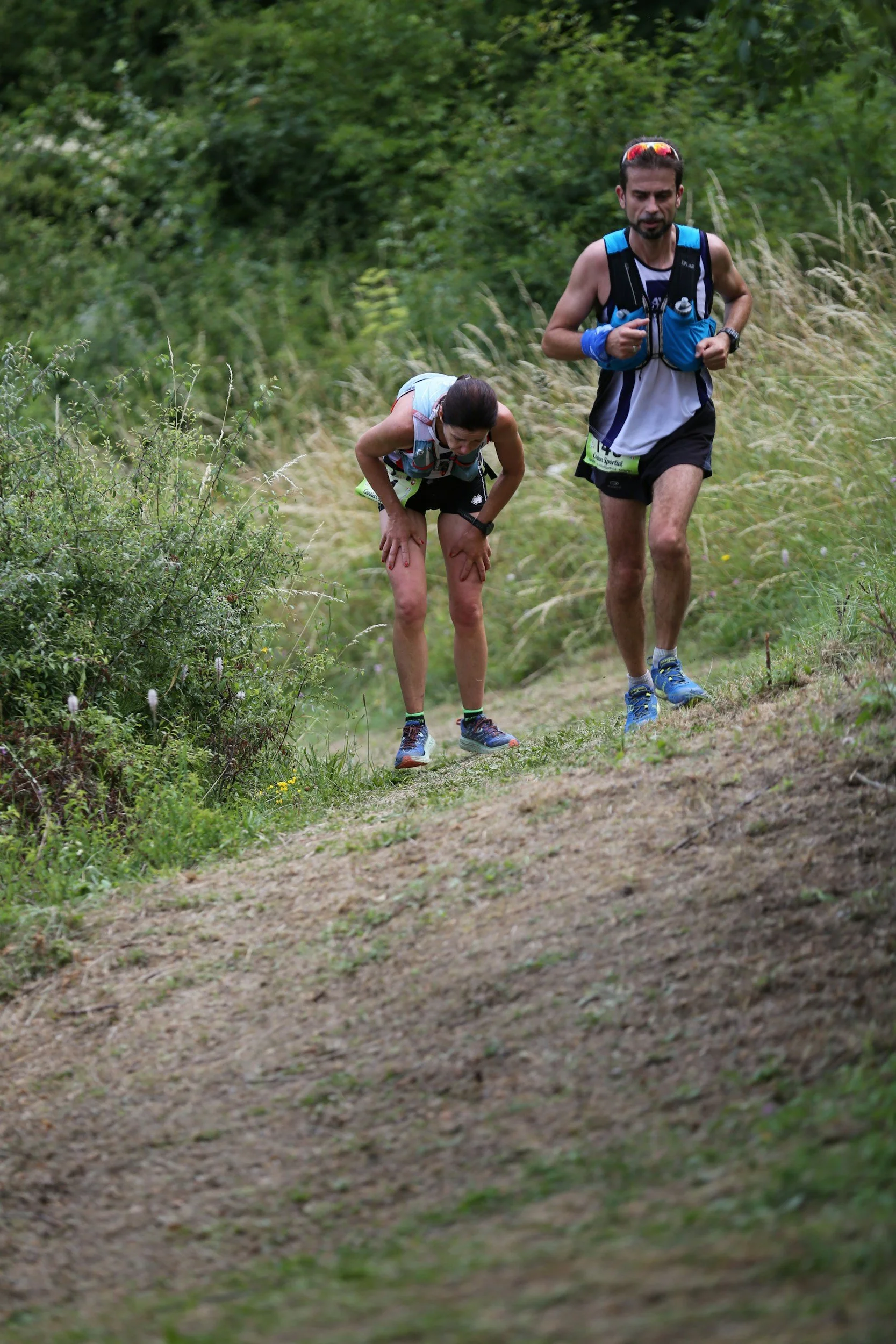
Breathing
Light–moderate effort:
You can speak in full sentences without gaspingModerate–hard:
You can speak in short phrasesToo much / exceeding capacity (for most training):
You can’t get more than a word or two out, breathing is chaotic
Strength
Within Capacity:
Form-Integrity:Controlled and repeatable
Muscle vs. Joint: You feel it in the target muscle
Performance: Relatively stable across sets with a gradual decline in energy.
Exceeding Capacity:
Form-Integrity:Using momentum, shortened range of motion.
Muscle vs. Joint: Pain shifts from target muscle to joints, tendons, or other compensatory areas.
Performance:A sudden, dramatic drop rather than gradual decline in lifting capability.
How Compulsive Exercise Works in Eating Disorders
At Bloom, I see compulsive exercise show up in eating disorders in a few ways:
As Calorie Compensation
Someone eats something and immediately starts calculating: “That was 300 calories, so I need to burn 300 calories today.” Or they eat more than usual and feel panicked, so they exercise intensely to “earn back” control. The exercise is directly tied to food intake — it’s not separate, it’s a safety behavior that’s part of the eating disorder system.
As Anxiety Management
Someone’s anxiety is screaming. They don’t want to acknowledge it, so they move. Running, cycling, intense workouts — these become a way to manage anxiety without addressing the root. But because it’s driven by anxiety (not genuine desire to exercise), it often becomes excessive and rigid.
As Body Shaping
Someone is trying to change their body shape, and they believe exercise will do it. They increase intensity and duration, but the body doesn’t change in the way they want (because genetics, or because their body’s actually healthy at its current size), so they exercise more. It becomes a hamster wheel.
As Ritual and Control
For people with obsessive-compulsive traits, compulsive exercise can become a ritual. The specific workout, the specific time, the specific location, the specific intensity — it all has to happen the same way, or the anxiety spikes. The exercise becomes about managing obsessive thoughts, not about health.
Why It’s So Hard to Recognize
Compulsive exercise often gets mistaken for discipline or dedication. Society values it. Gyms and fitness culture explicitly encourage the mentality that more is better, that rest days are lazy, that you should push through pain.
The fitness and wellness industry often promotes compulsive exercise as aspirational, making it difficult for people struggling with this behavior to recognize it as disordered. Someone can look healthy from the outside, be exercising “appropriately,” and still be deeply struggling with compulsive patterns underneath.
The Physical and Mental Health Impacts
Here’s the reality: compulsive exercise, especially when paired with restriction (which is almost always the case in eating disorders), has serious health consequences.
You can develop:
Overuse injuries that don’t heal because the exercise continues
Hormonal disruption (including loss of menstruation in people who menstruate)
Cardiovascular problems
Bone loss and increased fracture risk
Severe fatigue and compromised immune function
Mental health decline (anxiety, depression, obsessive thinking)
The body is desperately signaling: “Stop. Rest. Nourish me.” But the compulsive exercise behavior overrides those signals. It’s a level of disconnection from your body that’s concerning and needs clinical attention.
How Compulsive Exercise Is Treated
Treatment for compulsive exercise requires a delicate balance. We’re not trying to make someone hate exercise or become sedentary. We’re trying to rebuild a healthy relationship with movement.
At Bloom, I use approaches like:
CBT to address the distorted thinking (“I have to exercise or I’ll gain weight,” “I can’t rest or I’m lazy,” “I deserve food only if I’ve earned it through exercise”)
DBT to manage the anxiety that drives the compulsion and to build distress tolerance so someone can sit with anxiety without immediately exercising it away
Exposure Response Prevention (ERP) to systematically build tolerance for skipping workouts, resting days, and eating without compensatory exercise
Nutritional Rehabilitation paired with exercise planning so someone’s nourished enough to sustain healthy movement
Trauma-Informed Care because often, the compulsive exercise is connected to trauma or control needs that go deeper
Treatment also usually involves working with a medical provider to monitor health and a nutritionist to address the nutritional piece. This is collaborative work.

Rebuilding a Healthy Relationship with Movement
The goal of treatment isn’t to stop moving. Movement is genuinely healthy. The goal is to separate movement from food, from control, from anxiety management, and to rebuild it as something you choose because it feels good — not because you have to. To repair the relationship between your mind and your body.
What that looks like varies person to person. For some people, it means a period of significantly reduced exercise while addressing the underlying eating disorder. For others, it means structured exercise with a coach who’s trained in eating disorder recovery. For many people, it means changing the type of exercise — from intense, calorie-burning workouts to movement that feels joyful (dancing, hiking, yoga, walking). Many clients also find that working on body image and food obsession helps them see exercise from a healthier perspective.
The key is that exercise becomes something that serves you, not something you serve.
If You Think You’re Struggling with Compulsive Exercise
Ask yourself:
Do I feel panic or intense anxiety if I miss a workout?
Do I exercise to compensate for food intake?
Am I exercising despite injury or health concerns?
Has my exercise routine significantly increased despite not training for a specific goal?
Do I feel like I have to exercise, rather than that I want to?
Am I exercising in secret or feeling ashamed about how much I’m exercising?
Is exercise interfering with my sleep, relationships, or other responsibilities?
If yes to any of these, talking to someone who specializes in eating disorders might be really helpful. This isn’t a character flaw. It’s a symptom that deserves clinical attention.
Clinical Note
As a Certified Eating Disorder Specialist, I view compulsive exercise as a serious eating disorder symptom that’s vastly underrecognized. It’s not a sign of virtue or discipline — it’s a signal that someone’s using exercise to manage anxiety, control their body, or compensate for food intake. Using CBT, DBT, and ERP, I help people rebuild movement as something joyful and chosen, not something compulsive and driven by shame or anxiety.
Exercise Addiction Treatment in Orlando
Florida’s year-round warm weather and outdoor lifestyle make exercise addiction particularly easy to hide in Orlando. When everyone around you is running, cycling, or hitting the gym daily, compulsive exercise can look like dedication rather than a disorder. At Bloom Psychological Services, we understand the unique pressures of Central Florida’s fitness culture and provide specialized treatment that helps you rebuild a joyful, flexible relationship with movement.
Frequently Asked Questions About Exercise Addiction
How do I know if my exercise habits are compulsive?
Key warning signs include: exercising despite injury or illness, intense anxiety or guilt when missing a workout, prioritizing exercise over relationships and responsibilities, using exercise to “earn” food or “punish” eating, and a rigid routine that allows no flexibility. If exercise controls you rather than enhances your life, it may be compulsive.
Is exercise addiction a real diagnosis?
Exercise addiction isn’t a standalone diagnosis in the DSM-5-TR, but it’s widely recognized in clinical literature and often co-occurs with eating disorders. The Exercise Dependence Scale (EDS) is a validated screening tool that clinicians use to assess compulsive exercise patterns.
Can I still exercise during eating disorder recovery?
This depends on your individual situation. Some clients benefit from a temporary exercise pause to reset their relationship with movement. Others can continue with modified, mindful activity. Your treatment team — including your therapist, dietitian, and physician — will work together to create a safe movement plan for your recovery stage.
About the Author
Dr. Kait Rosiere, Psy.D., CEDS, is the founder of Bloom Psychological Services in Orlando, Florida. She specializes in eating disorder treatment, complex trauma therapy, and body image concerns using evidence-based approaches including CBT-E, DBT, and EFT. With advanced certification as a Certified Eating Disorder Specialist, Dr. Rosiere provides expert care to clients across Central Florida seeking lasting recovery. Learn more about Dr. Rosiere.
References
Related Articles at Bloom:
How to Stop Binge Eating: Understanding Triggers and Building Recovery
CBT for Eating Disorders: How It Works and Why It’s So Effective
How Social Media Is Fueling Eating Disorders — And What You Can Do About It
Nutrition Counseling in Eating Disorder Recovery: A Vital Piece of the Puzzle
Do I Have an Eating Disorder: Common Warning Signs and When to Seek Help
Ready to Build a Healthier Relationship with Movement?
If compulsive exercise is running your life, recovery is possible. You can learn to move in ways that feel good instead of obligatory, to rest without guilt, to nourish your body, and to rebuild joy in physical activity. Our specialized exercise addiction treatment combines evidence-based therapy with practical strategies for rebuilding your relationship with movement.
Contact us today to schedule your free consultation and begin your recovery journey.
