What Makes Atypical Anorexia So Dangerous? Why Your Weight Does Not Tell the Whole Story
When most people picture anorexia, they imagine someone who is visibly underweight — thin arms, sharp collarbones, dramatic physical changes. That stereotype is so deeply ingrained that many people who are suffering don't believe they qualify for support unless they "look sick enough."
But anorexia has never been a disorder defined by appearance.
And atypical anorexia proves that clearly.
Atypical anorexia is one of the most misunderstood, underdiagnosed, and deadly forms of eating disorders, and hundreds of thousands of people are quietly living with it while assuming they aren't "really" struggling because their bodies don't match what they've been told anorexia looks like.
Your body size does not reflect your level of medical risk. It does not show the degree of emotional pain. And it certainly does not determine whether you deserve treatment.
What Is Atypical Anorexia?

Atypical anorexia is clinically recognized within the DSM-5 under the category of "Other Specified Feeding or Eating Disorders (OSFED)."
What makes it "atypical" isn't the symptoms — it's the weight criterion.
Someone with atypical anorexia experiences the same psychological, emotional, and behavioral symptoms as classic anorexia, such as:
intense fear of weight gain
severe restriction of food intake
preoccupation with calories, shape, and weight
distorted body image
compulsive exercise
rituals around food
hyperfocus on "healthy" eating or "clean" foods
However, unlike classic anorexia, people with atypical anorexia do not appear underweight and may fall anywhere within or above what medical charts call a "normal" weight range.
This is why atypical anorexia is so often missed — sometimes by loved ones, sometimes by schools, sometimes by medical providers, and often by the person suffering.
Why Isn't Weight a Reliable Indicator?
Because weight is not a reflection of internal medical damage.
Two people can consume the same dangerously low number of calories: one might become visibly thin, and the other may not. Here's what most people don't realize: bodies respond differently to starvation. Some bodies drop weight rapidly. Others cling to weight as a biological survival effort.
The problem is not the weight. The problem is the starvation.
And starvation — regardless of what you weigh — causes heart complications, slowed metabolism, electrolyte imbalance, cognitive decline, hair loss, bone loss, hormonal shutdown, fainting, gastroparesis, infertility, and organ damage. These medical risks do not wait until you are "thin enough."
But If I Don't Look Sick, Can It Really Be Anorexia?
Yes. Unequivocally, yes.
Atypical anorexia is not a lesser diagnosis, and the word "atypical" does not mean mild. In fact, research shows that people with atypical anorexia often face longer illness duration, greater shame, higher medical instability, more intense weight suppression, and lower likelihood of seeking help.
Many individuals also experience the added agony of being praised for their disorder: "You look amazing — what's your secret?" "You're so disciplined!" "I wish I had your control."
These comments don't just reinforce the eating disorder — they silence people into believing what they're doing is positive, even as their health crumbles.
Why Is Atypical Anorexia So Dangerous?
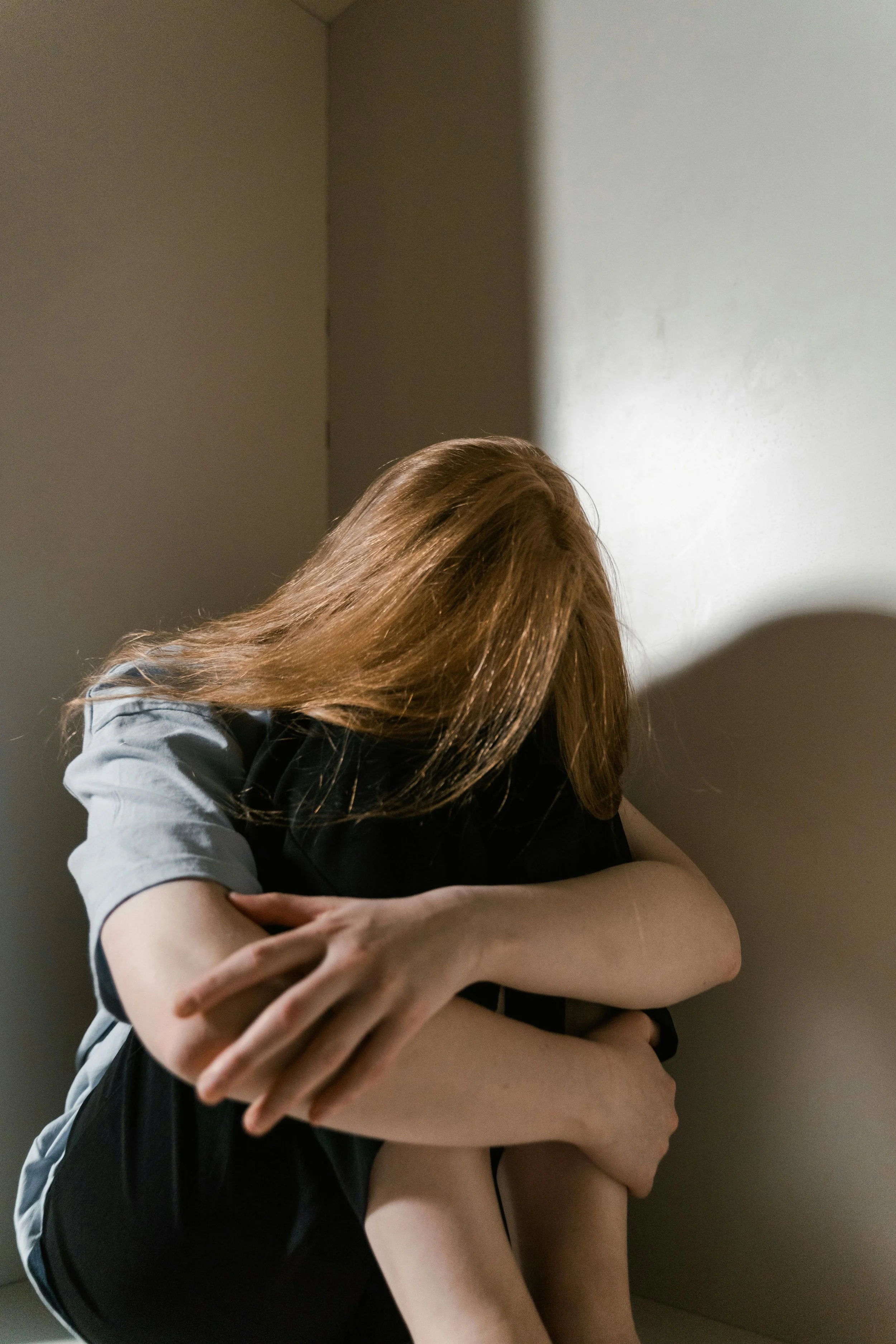
1. It Hides in Plain Sight
Because people with atypical anorexia do not look thin, they are often dismissed by doctors, overlooked by family, praised by peers, and denied treatment. Many are even told to continue losing weight, which compounds the medical danger and psychological harm.
2. Weight Suppression Is a Medical Emergency
Even if someone begins at a higher weight, a dramatic drop in pounds triggers the same starvation consequences as traditional anorexia. The body becomes weaker. Vital organs struggle. Cardiac risk rises. Weight suppression — not weight — predicts risk.
3. Shame Prevents Help
People with atypical anorexia often feel "If I'm not underweight, I don't deserve treatment" or "If I got help, people would think I'm exaggerating." This leads to delayed treatment and increased chronicity, allowing the disorder to become more entrenched and harder to interrupt.
4. Trauma + Restriction Feed Each Other
Many clients with atypical anorexia also have complex PTSD, dissociation, anxiety, depression, perfectionism, and chronic shame. Food restriction becomes a coping strategy — one that appears socially acceptable and even admirable, making it harder to recognize as the survival mechanism it truly is.
5. The World Rewards the Disorder
Because society worships weight loss, people with atypical anorexia are often encouraged to continue the very behaviors that are killing them. Every compliment, every "you look great," every congratulations on their discipline reinforces the disorder and makes recovery feel like failure.
What Does Atypical Anorexia Actually Feel Like?
It isn't just dieting. It isn't vanity. It isn't a lack of willpower.
Atypical anorexia feels like constant thoughts about food, intense fear of hunger, guilt after eating anything, compulsive exercise, panic when routines change, secretive eating patterns, feeling out of control in your own body, and a desperate need to shrink, hide, or disappear.
It feels like your worth has become inseparable from your body size — and like you cannot stop, even when you want to.
Why So Many People Miss the Signs
People with atypical anorexia often appear "normal" weight, function at work or school, maintain a social life, look energetic, smile, and perform well. On the surface, everything looks fine.
Meanwhile, the internal world is obsessed, starving, dizzy, exhausted, dissociated, and terrified.
That's why clinical screening matters more than appearance.
If You Think You Might Have Atypical Anorexia, You're Not Overreacting
You don't need to lose more weight, reach a certain BMI, be hospitalized, look a certain way, or prove how bad it is.
If you're struggling with:
food restriction
guilt
fear around eating
loss of control
compulsive exercise
body shame
anxiety
exhaustion
isolation
You deserve support — right now.
What Treatment Can Look Like

Healing atypical anorexia involves rebuilding trust with your body, hunger and fullness cues, emotional safety, identity outside of weight, and the trauma wounds driving the disorder.
Effective treatment may include:
eating disorder therapy
trauma processing
somatic work
dietitian support
medical monitoring
family or relational support
Recovery is not about forcing weight gain. It's about restoring medical stability, nourishment, safety, and mental freedom.
Final Truth: You Don't Have to Look Sick to Be Sick
Atypical anorexia destroys lives quietly.
And the people suffering from it are often the ones who try the hardest, hide the deepest pain, "look fine," tell everyone they're okay, and seem strong and capable.
You don't have to earn help by getting worse. You don't have to prove pain through shrinking. You don't have to wait until your body visibly breaks.
If your relationship with food feels frightening or controlling, that alone is enough.
You are deserving of treatment. You are worthy of safety. And you are allowed to heal — at any size.
Get Atypical Anorexia Treatment at Bloom Psychological in Orlando, FL
If you recognize yourself in these words, know that specialized, compassionate care is available. At Bloom Psychological in Orlando, FL, we understand that eating disorders don't discriminate by body size — and neither does our treatment approach.
Our therapists specialize in atypical anorexia, OSFED, trauma-informed eating disorder care, and body image healing. We believe you deserve support regardless of what you weigh, how you look, or how "severe" you think your struggle is. Your pain is valid. Your experience matters. And recovery is possible.
Whether you're in Winter Park, Lake Nona, downtown Orlando, or anywhere in Central Florida, we're here to help you rebuild safety, trust, and freedom in your relationship with food and your body.
Contact Bloom Psychological today to schedule a consultation. You don't have to fight this alone — and you don't have to wait until it gets worse to reach out for help.
Let us help you find your glow.
Learn More About Eating Disorder Therapy in Tampa, FL
Take the First Step Toward Recovery Today
Other Therapy Services at Bloom Psychological
At Bloom Psychological, we know that trauma can impact every part of life, far beyond food or body image. That’s why, in addition to Therapy for Complex Trauma and Therapy for Eating Disorders, we offer specialized support for individuals navigating a wide range of emotional challenges.
Our trauma and complex PTSD therapy helps you safely explore painful past experiences, rebuild trust in yourself, and create a foundation for deep, lasting healing. We also offer eating disorder therapy and support, and individualized support for UCF students facing stress, identity questions, and mental health concerns in the midst of a pivotal life chapter.
Wherever you are in your healing journey, Bloom Psychological offers a compassionate, trauma-informed space to be seen, heard, and supported.
About the Author

Though I now call Florida home, my Jersey roots still shape who I am: honest, grounded, and authentic. I write resources like this because I want people to understand that eating disorders do not discriminate by body size—and neither should treatment. Atypical anorexia is real, dangerous, and deeply misunderstood, and too many people suffer in silence because they believe they are not "sick enough" to deserve help.
I am a therapist who specializes in eating disorders and trauma, and I also know this work personally. I understand what it feels like to be dismissed, to doubt your own suffering, and to navigate a world that praises restriction while ignoring the harm it causes. That combination of clinical expertise and personal insight helps me meet clients with validation, respect, and unwavering belief in their worthiness of care—at any size.
If you are looking for atypical anorexia treatment, weight-inclusive therapy, or trauma-informed eating disorder support in Orlando, FL, my hope is that this blog helped you feel seen and reminded you that you deserve recovery now—not when you "look sick enough." You do not have to prove your pain to receive compassionate, life-changing care.
