“Help! My Daughter Is Barely Eating”: An Orlando Eating Disorder Therapist Responds
To the parent, questioning themselves, researching this at 1 AM:
One of the hardest parts of supporting a child with an eating disorder is that they will almost always deny there’s a problem.
They will say:
“I already ate at school.”
“I’m not hungry.”
“You’re overreacting.”
“I’m just being healthy.”
“It’s normal to want to tone up.”
And because they may not look extremely underweight, eating “some” food in front of you, or still functioning in school and sports, it becomes incredibly confusing to know what to do.
If you’re here because your daughter is barely eating — and she insists nothing is wrong — you are not alone. This is exactly how eating disorders hide.

Why denial is the rule, not the exception.
Eating disorders are ego-syntonic.
That means:
The thoughts feel like your daughter’s own thoughts, not symptoms of an illness.
So she will:
believe her body needs to change
believe she is “just disciplined”
believe she is healthier now more than ever
believe you are misreading the situation
She is not lying to hurt you.
She is lying because the eating disorder is in the driver’s seat.
And it is terrified of being stopped.
What denial looks like in real life
Here are the common patterns:
1. “I already ate earlier.”
This is a standard cover story. And you can’t disprove it.
2. “I’m just eating cleaner.”
This often means she has cut out major food groups.
3. “I feel sick. I can’t eat” or “I’m just not hungry.”
Hunger cues disappear during restriction, making appetite genuinely feel gone.
4. “I’m trying to be healthier.”
EDs almost always disguise themselves as wellness.
5. “Everyone eats like this.”
TikTok, diet culture, sports culture, and peers reinforce disordered norms.

Why trusting verbal reassurance is dangerous
Parents often want to believe their child. It feels safer to hope it’s a phase, perfectionism, puberty, or stress.
But here is the truth most parents learn too late:
By the time you are noticing eating changes, the problem is already serious.
Because eating disorders are not defined by:
weight
BMI
visible thinness
the length of illness
They are defined by behaviors and thoughts.
If she is skipping meals, avoiding food, losing weight, or refusing to eat with you — intervention is warranted.
Signs that mean you cannot rely on her words:
If at least three of these are true, denial is expected:
stopped eating meals she once enjoyed
refuses family dinners
has new rules around food
reads labels obsessively
pushes food around plate
avoids snacks
cut out carbs/sugar/desserts
mood swings
irritability
isolation
perfectionism
increased exercise
weight loss, or stalled growth
It doesn’t matter if she says she’s “okay.”
These signs speak louder.
Why she can’t see the danger:
Because eating disorders distort perception.
Restriction:
numbs hunger cues
produces a false sense of control
creates euphoria
shrinks emotional awareness
So when she says “I’m not hungry,” she may genuinely feel that.
When she says, “I’m in control,” she believes she is.
The illness hides itself… even from her.
How To Approach A Teen Who Denies An Eating Problem
START HERE:
Here is the most effective starting script - give two options, not a way out:
“I love you. I’ve noticed changes in your eating and behavior that concern me. I won’t argue with you about whether it feels like a problem - I’m just being clear that I see one. Do you want to talk about it together or would you prefer to talk to a therapist?”
Important:
Do not debate.
Do not try to convince.
You hold the reality until she can.
Step 1: Stop waiting for her agreement or insight.
Most teens with early eating disorders have no insight into their illness. Waiting for her to admit something is wrong is the most common reason eating disorders worsen.
Instead, decide:
“I am the adult. I see a medical risk. I act.”
Insight can come later.
Step 2: Schedule a professional eating disorder assessment — not a general therapy intake.
Your first call should not be:
her pediatrician saying her weight is “fine,”
a therapist who doesn’t work with EDs,
or school counseling.
Look for:
a therapist or psychologist who specializes in eating disorders
a dietitian trained in disordered eating
medical monitoring with a provider who knows ED
If she refuses to attend, schedule anyway. You control the calendar.
Step 3: Begin structured eating at home immediately.
You don’t need to wait for a treatment plan.
Start today:
3 meals + 2–3 snacks daily
food is not optional
sit at the table together
meals happen regardless of mood, weight, or hunger
no bargaining
no substitutions
And yes — she will be angry.
That does not mean it’s wrong.
You are interrupting the disorder’s progression.
Step 4: Remove moral language around food and weight.
Stop saying:
“healthy” / “unhealthy”
“good foods” / “bad foods”
“junk” / “clean”
These reinforce the disorder.
Replace with:
“All food is food.”
“Your body needs variety.”
“Restriction is the problem, not weight.”
Model neutrality — even if you don’t fully feel it yet.
Step 5: Make mealtimes safe, not silent.
Sitting at the table watching her eat in silence will spike anxiety for both of you.
Conversation reduces fear.
Have go-to topics:
Would you rather…
Weekend plans
Trivia questions
Talk about a funny TikTok
Ask about music
Share childhood stories
Think of it like Novocain at the dentist — the point isn’t distraction to avoid reality, it’s reducing psychological pain enough to get food in.
Step 6: Expect bathroom supervision after meals.
Not because you assume she will purge, but because this step prevents escalation.
For the first 30–60 minutes after meals:
keep the bathroom door open
keep her near you
plan an activity immediately
Not optional. Not personal. Protective.
Step 7: Create an “after-meal protocol” to replace purging urges.
Purging is about relief — not disgust. Stopping it requires structure.
Pick ONE routine and do it every time:
start a show at the same minute daily
20 minutes of coloring
puzzles
card games
crocheting
sitting with a heating pad
grounding exercises
Then:
Time the urge.
The average purge urge spikes at 20–30 minutes, then falls.
Tracking this helps teens learn:
“Urges rise. Urges peak. Urges fall.”
That single realization saves lives.
Step 8: Document what you see — don’t debate it. Avoid the power struggle.
Parents often think:
“If I could just explain the danger clearly enough, she’ll understand.”
She won’t.
Instead, record:
food refusal patterns
weight changes
mood swings
recent stressors
meal notes
exercise patterns
Give this to professionals later.
It will matter.
Step 9: Stop accommodating the disorder.
Examples:
letting her cook her own “safe” meals
accepting “I’ll eat later”
allowing skipped snacks
buying diet foods
avoiding conflict
Accommodation feels loving — but expands the disorder’s territory.
Your job is to shrink it.
Step 10: Don’t focus on weight - focus on function.
Ask:
Is she tired all the time?
Is she irritable?
Is she withdrawn?
Is school slipping?
Is she dizzy?
Is she obsessively planning food?
These are medical symptoms.
Not personality.
Step 11: Prepare yourself emotionally for pushback.
She may say:
“I hate you.”
“You’re ruining my life.”
“I don’t need help.”
“I’m fat.”
“Stop watching me.”
Those are symptoms, not truths.
The absolute best thing you can do here is to help her co-regulate.
Be the calmshe cannot access for herself.
Your resolve is intervention.
Your boundaries are love.
Step 12: Don’t wait for ‘sick enough.’
Families lose years waiting for:
visible weight loss
perfect symptoms
medical collapse
their child to ask for help
Early signs ARE enough.
If you see it, it counts.
Step 13: Protect your relationship by naming the difference between her and the disorder.
Say:
“Some days I’m talking to you, and some days I’m talking to the eating disorder.
I love you.
I don’t love the disorder.
I am fighting the disorder — not you.”
This preserves attachment through conflict.
Step 14: Prepare siblings and family members.
Tell them:
don’t comment on food
don’t talk about diets
don’t discuss weight
don’t tease about eating
don’t pressure
The home must become a recovery environment.
Step 15: Get support for yourself.
I cannot reinforce this one enough.
This illness will drain your daughter - but it will also drain you.
Parents need their own care:
therapy
support groups
education
coaching
community
You can’t lead this alone.
The hardest truth: Eating disorders are a part of the family system - and the family is like a system of gears - all interconnected. If your daughter does the hard work and makes the changes, but the family dynamic does not, it doesn’t matter if her gear works - she’s stuck.
Your daughter won’t get better because she wants to. She’ll get better because someone holds boundaries while she can’t.
She will deny the issue.
She will minimize the danger.
She will be angry.
And still:
She needs you to act.
Parents don’t wait for permission to save a life.
How to Help Someone with an Eating Disorder: A Support Person’s Guide

Eating Disorder Recovery Support at Bloom Psychological in Orlando, FL, is Here to Help.
If any part of this felt familiar, please hear this clearly: I know how hard this feels - and you are not alone. Eating disorders are isolating by design, but healing happens in connection, with support that understands both the clinical reality and the human one. At Bloom Psychological, we offer compassionate, evidence-based eating disorder therapy in Orlando, FL that honors your daughter, you as a parent, your family, and your future. Whether you are early in recovery, stuck in a cycle you cannot untangle, or looking for a therapist who truly gets both the struggle and the way through it, we are here.
Let us help you find your glow.
Learn More About Eating Disorder Therapy in Orlando, FL
Take the First Step Toward Recovery Today
Other Therapy Services at Bloom Psychological
At Bloom Psychological, we know that trauma can impact every part of life—far beyond food or body image. That’s why, in addition to Therapy for Complex Trauma and Therapy for Eating Disorders, we offer specialized support for individuals navigating a wide range of emotional challenges.
Our trauma and complex PTSD therapy helps you safely explore painful past experiences, rebuild trust in yourself, and create a foundation for deep, lasting healing. We also offer eating disorder therapy and support, and individualized support for UCF students facing stress, identity questions, and mental health concerns in the midst of a pivotal life chapter.
Wherever you are in your healing journey, Bloom Psychological offers a compassionate, trauma-informed space to be seen, heard, and supported.
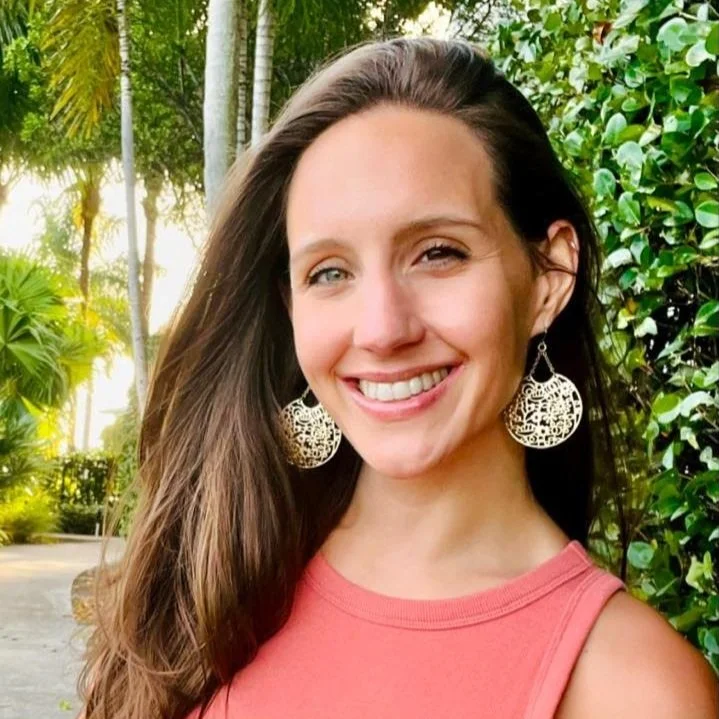
About the Author
Orlando may be where I live now, but my Jersey upbringing is still a big part of how I move through the world: direct, grounded, and genuine. That same authenticity shapes how I work with clients and how I write pieces like this one. I want these blogs to feel like a steady hand on your back, especially if you are navigating complex trauma, people-pleasing patterns, or eating disorder recovery, and wondering why certain seasons feel harder than others.
Outside of therapy, I am a mom, a lifelong animal lover, and someone who understands recovery from the inside out. My knowledge of trauma and eating disorders is not only professional. It is lived. I have experienced the way survival mode can take over a body and a life, and I have also experienced the slow, brave work of healing. That history helps me sit with clients in a way that is compassionate, honest, and rooted in real hope, not platitudes.
If you are searching for eating disorder recovery or trauma therapy in Orlando for yourself or someone you love, I hope this blog helps you feel understood and gives you a clearer next step. You deserve support that fits your nervous system, your story, and your pace, and you do not have to find your way through this alone.
