Family-Based Treatment (FBT) for Eating Disorders: A Guide to Eating Disorder Therapy in Orlando
Family-Based Treatment (FBT) - An Eating Disorder Treatment Method
When a child or teenager develops an eating disorder, families often feel confused, scared, and unsure what to do next (Help! My Daughter is Barely Eating! or How to Help Someone with an Eating Disorder). Parents may wonder whether they caused the problem, whether they should push their child to eat, or whether stepping back would reduce conflict.
In reality, eating disorders can make it extremely difficult for adolescents to make healthy decisions about food. When the illness takes hold, teens may feel trapped between wanting to recover and feeling controlled by the eating disorder.
Family-Based Treatment (FBT) is one of the most researched therapies for adolescents with eating disorders. This approach helps parents play an active role in restoring eating patterns and interrupting dangerous behaviors.
If you’re searching for eating disorder therapy in Orlando, understanding how Family-Based Treatment works can help you determine whether this treatment approach may be helpful for your family.
FREE DOWNLOAD
Family-Based Treatment Start-Up Guide
Learn exactly what you need to do to get started with Family-Based Treatment.
The people you need on your team, resources to find them, starting nutritional goals, medical complications to monitor, what to ask the pediatrician for, the Do’s and Do Not’s of navigating meals, etc.

What Is Family-Based Treatment (FBT)?
Family-Based Treatment, sometimes called the Maudsley Method, is an evidence-based therapy designed primarily for children and adolescents with eating disorders.
FBT is commonly used to treat:
Some forms of ARFID and OSFED
Rather than focusing immediately on the psychological causes of the eating disorder, the early goal of treatment is helping the child return to consistent, safe eating patterns.
Parents temporarily take an active leadership role in supporting their child’s recovery.
Research shows that family involvement can significantly improve recovery outcomes for adolescents with eating disorders.
Source:
Lock, J., & Le Grange, D. (2015). Treatment Manual for Anorexia Nervosa: A Family-Based Approach.

A Core Principle of FBT: The Eating Disorder Is the Problem
One of the central ideas in Family-Based Treatment is externalizing the eating disorder.
This means separating the child from the illness.
In therapy, we talk about the eating disorder as something that interferes with a teen’s thoughts and behaviors. When the illness is active, it can make normal eating feel frightening or impossible.
This perspective helps families avoid blaming the child or themselves.
Instead, parents and therapist work together against the eating disorder, rather than against the teen.
Many families feel relief when they hear this. Parents often arrive in therapy worried that they caused the eating disorder, or that pushing their child to eat will damage their relationship. FBT reframes this dynamic by emphasizing that parents are one of the most powerful resources in recovery.

What Family-Based Treatment Looks Like in Real Life
Many parents worry that FBT will turn every meal into a battle. In reality, the goal is not to create conflict, but to help parents feel confident and supported in guiding recovery.
For example, a family might initially notice that:
Meals begin taking an hour or more
Food is cut into very small pieces
Certain foods suddenly feel “unsafe”
Eating outside the home becomes difficult
These behaviors are extremely common in eating disorders. In Family-Based Treatment, parents learn strategies to respond calmly and consistently while supporting their child through the discomfort of recovery.
A therapist helps the family problem-solve situations such as:
navigating school lunches
managing restaurant meals
responding to food refusal
reducing rituals around eating
These conversations help parents feel less alone and more prepared to support recovery at home.
The Three Phases of Family-Based Treatment
FBT typically progresses through three stages:
Phase 1: Parents Take the Lead Around Food
In the early stage of treatment, the priority is interrupting eating disorder behaviors and restoring consistent nutrition.
Parents temporarily take responsibility for:
planning meals
serving food
supervising eating
reducing opportunities for purging or compensatory behaviors
This phase can feel intense for families, especially at first. However, the goal is to stabilize eating patterns as quickly and safely as possible.
During therapy sessions, the therapist supports parents in maintaining calm boundaries around meals while also helping the family navigate the emotional challenges of recovery.
Phase 2: Gradual Return of Control
As eating patterns stabilize, your teen slowly regains independence around food.
Examples might include:
choosing snacks independently
managing lunch at school
ordering food at restaurants
These steps are introduced gradually so teens can rebuild confidence while still receiving support from their parents.
Phase 3: Supporting Your Teen’s Development
Once eating disorder behaviors are largely under control, therapy shifts toward broader developmental topics such as:
body image concerns
friendships and relationships
identity development
stress management
At this stage, the family returns to more typical roles as your teen gains independence.
When Family-Based Treatment May Be Recommended
FBT is often recommended for adolescents who:
live at home with supportive caregivers
are medically stable enough for outpatient treatment
are experiencing restrictive eating, purging, or significant food avoidance
Family-Based Treatment is considered a first-line treatment for adolescents with anorexia nervosa in several international clinical guidelines.
When Additional Support May Be Needed
In some situations, eating disorders require a higher level of care.
For example:
significant medical instability
rapid weight loss
severe purging behaviors
fainting, dizziness, or heart complications
Eating disorders can have serious medical consequences, which is why treatment often includes collaboration with physicians or dietitians.
A therapist specializing in eating disorders can help determine the most appropriate level of care.
Finding Eating Disorder Therapy in Orlando
If your child or teenager is struggling with an eating disorder, early treatment can make a significant difference.
Working with a therapist who specializes in eating disorder therapy in Orlando can help families understand what they are facing and develop a clear recovery plan.
Treatment may include:
Family-Based Treatment (FBT)
individual therapy
parent coaching
collaboration with medical providers
body image and emotional regulation work
Recovery can feel overwhelming at first, but families do not have to navigate it alone.
Frequently Asked Questions About Family-Based Treatment
Is Family-Based Treatment only used for anorexia?
FBT was originally developed for anorexia nervosa, but adaptations have been used for other eating disorders such as bulimia and ARFID.
How long does Family-Based Treatment take?
Treatment length varies significantly, but many families participate in therapy for 6-18 months depending on symptom severity and progress in recovery.
Do parents attend every session?
In most cases, yes. Parents play an active role in treatment, especially during the early phases when eating patterns are being restored.
Eating Disorder Treatment in Orlando
I know how hard this feels - and you are not alone.
I was once the daughter with the eating disorder.
Now, I’m on the other side, working with the families and loved ones.
At Bloom Psychological, we offer compassionate, evidence-based eating disorder therapy in Orlando, FL that honors your daughter, you as a parent, your family, and your future.
Let’s help your daughter find her glow again.
Learn More About Eating Disorder Therapy in Orlando, FL
Take the First Step Toward Recovery Today
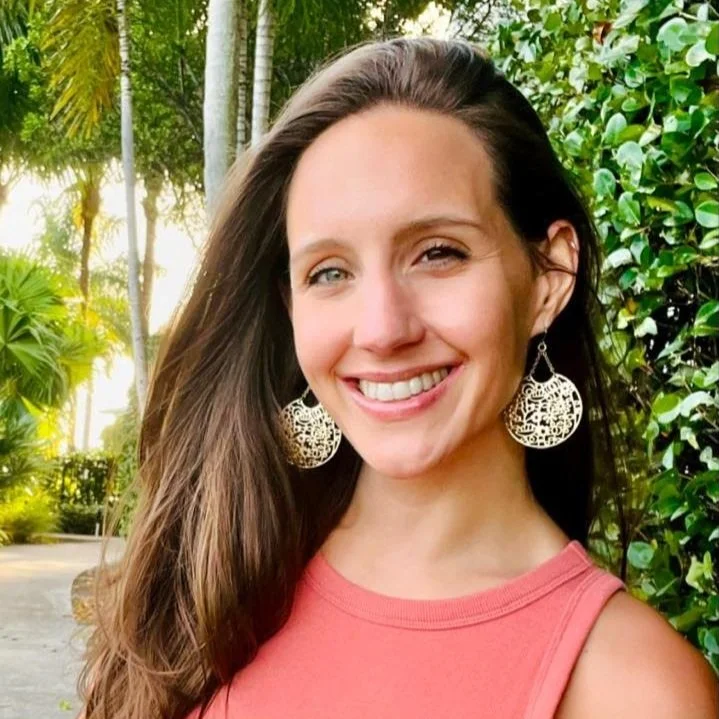
About the Author
Hi!
I’m Dr. Kait Rosiere — a licensed clinical psychologist and Certified Eating Disorder Specialist.
I’ve worked in the field of eating disorders in almost every capacity for over 14 years — recovery coaching, eating disorder treatment teams, college campuses, non-profits, volunteering, treatment centers, as a therapist, post-doctoral fellow, program manager, staff psychologist, etc.
Most importantly, I have over
2500 (two thousand five hundred) hours of
specialized training in the treatment of eating disorders.
Learn more about my qualifications and experience.
I was born in Jersey — and I’m unapologetically me.
I have a son, a cat, a dog — but kill every plant I touch.
I’m a human being who isn’t afraid to admit that I’ve been where you are.
And I’m here to help you find your glow again.
