Internal Family Systems (IFS) Therapy for Eating Disorders | Eating Disorder Therapy in Orlando
Internal Family Systems (IFS) - A Therapy Model for Treating Eating Disorders
Eating disorders have awful side effects — perhaps one of the most difficult though is the feeling of constantly being pulled in two different directions.
One part of you desperately wants recovery.
You’re sick and tired of feeling sick and tired. You want mental space to think about something other than food.
Another part of you absolutely insists on maintaining control through restriction, can’t stop binge eating, feels you must purge or compulsively exercise. Maybe you’re afraid of what will happen if you stop.
Internal Family Systems (IFS) therapy provides a framework for understanding this experience. Eating disorders aren’t irrational and the goal isn’t to be “self-destructive.” IFS helps us understand that eating disorders are actually complex, intricate strategies your mind has produced to protect you.
At Bloom Psychological Services, we incorporate approaches like Internal Family Systems into eating disorder therapy in Orlando to help clients understand the deeper emotional patterns driving behaviors around food and body image.

What Is Internal Family Systems Therapy?
Have you ever seen Inside Out?
You may have the gist simply by imagining that.
Internal Family Systems (IFS) is a psychotherapy model developed by psychologist Richard Schwartz. The model proposes that we are all made up of different “parts,” each with its own emotions, beliefs, and goals. One way to think about it is like “Anger,” “Joy,” or “Sadness” from Inside Out.
Beneath these parts lies the Self, a core state characterized by curiosity, calmness, compassion, creativity, and clarity.
IFS therapy focuses on helping individuals connect with their true, authentic Self. When reating to your parts through the “Self,” we can greet them through the lens of empathy and curiosity rather than judgment.
You can learn more about the foundations of IFS here:
https://www.psychologytoday.com/us/therapy-types/internal-family-systems-therapy
Interestingly, Schwartz originally developed the model while working with clients experiencing eating disorders, who frequently described feeling like different parts of themselves were fighting over food, control, and body image.

Why Internal Family Systems Can Help With Eating Disorders
Eating disorders are about the food — yes, but never are they only about the food. They often develop as ways of coping with overwhelming emotions such as shame, anxiety, loneliness, or trauma.
Research shows that eating disorders are frequently linked with difficulties in emotional regulation and high levels of self-criticism.
https://pmc.ncbi.nlm.nih.gov/articles/PMC12551328/
IFS therapy helps individuals understand how eating disorder behaviors may have originally developed as protective strategies.
Instead of the judgment:
“Why do I keep doing this even though I know I should stop?”
IFS gets curious:
“What is this part of me (the eating disorder) trying to protect me from?”
”What happened that was so overwhelming that it needed to take over?”
This shift not only can help reduce shame, but it allows for more compassion, curiosity, and deeper reflection beyond symptoms alone. This type of work has the potential to work beyond the surface of the eating disorder and get to the roots of the problem.

Understanding Eating Disorders Through “Parts”
IFS identifies three primary “types” of parts that often appear in eating disorder dynamics.
Managers
Managers are exactly what they sound like. They’re the parts of us that are in charge, “under control,” and may seem calm or even logical. Their goal is to help us prevent emotional pain from emerging — especially if it’s overwhelmed us in the past. In eating disorders, these parts may appear as:
perfectionism
obsessive thoughts
strict food rules
calorie counting
body checking
achievement
Internally, they are designed to prevent emotional overwhelm. They tend to feel like the part that plans, is purposeful, give a sense of direction, and can follow the “if ____, then ___” thought process.
They might sound like:
“If you don’t go to the gym today, then you’re going to feel gross later.”
“You need to make sure that...”
“Don’t ____, or else ___..”
Firefighters
Managers prevent emotional distress from happening.
Firefighters stop emotional distress as it’s happening.
Their goal is to “extinguish” emotional pain as quickly as possible. They tend to emerge after something triggering happens.
This tends to be an experience that is painful, anxiety provoking, or shameful.
These parts may appear as:
Binge eating
Research suggests that binge eating episodes often function as attempts to regulate overwhelming emotions.
https://pmc.ncbi.nlm.nih.gov/articles/PMC6709695/Purging
Compulsive Exercise
Self-Harm
Internally, they are designed to stop the pain — now.
They tend to feel urgent, intense, impulsive, or panicky. Their job is “done” once the urge has been followed through with an action.
They might sound like:
“Screw it — I’m just gonna go to McDonalds and order.”
“You need to go to the bathroom right after dinner and get rid of this.”
“You better go to the gym and take care of this.”
“You need to punish yourself.”
Exiles
Managers prevent emotional distress.
Firefighers stop emotional distress as it’s happening (through symptoms).
Exiles are the parts that hold the emotional distress. These are the parts that get “triggered.”
Exiles hold our deepest emotional wounds. These are the parts of us that have been rejected, shamed, abused, felt unwanted or unlovable.
When something happens in our daily life that triggers these parts - the experience becomes too overwhelming.
Our “Internal Family System” (firefighters and managers) sees Exiles as parts that are unwanted, overwhelming — and rejects them.
You can think about Exiles like “Sadness” from Inside Out. Other parts don’t want her around, feel she makes things worse, or ruins the moment.
Exiles can appear as:
rejection
loneliness
trauma or flashbacks
feelings of inadequacy
and many more
Eating disorder behaviors often develop to prevent these painful experiences from being triggered — and keep the exiles, exiled.
What Internal Family Systems Therapy Looks Like
During eating disorder therapy, clients begin identifying the different parts involved in their relationship with food and body image.
For example, someone might notice:
a perfectionistic part demanding control over food
a critical part constantly judging their body
a binge-eating part that appears during emotional distress
a younger part that feels deeply ashamed
In therapy, we work to build curiosity and compassion toward these parts so they no longer feel forced to use strategies like restriction or binge eating.
As parts begin to trust the Self’s leadership, eating disorder behaviors often become less necessary.
Self-Compassion and Eating Disorder Recovery
One of the most powerful shifts that occurs in IFS therapy is the development of self-compassion.
Studies suggest that higher levels of self-compassion are associated with lower eating disorder symptoms and reduced psychological distress.
https://pubmed.ncbi.nlm.nih.gov/36630619/
IFS helps individuals cultivate compassion toward all parts of themselves, including the parts responsible for eating disorder behaviors.
This compassionate internal relationship often becomes a foundation for lasting recovery.
Eating Disorder Therapy in Orlando
Eating disorders are complex conditions that usually require specialized treatment.
At Bloom Psychological Services, we provide eating disorder therapy in Orlando and throughout Florida via telehealth. Treatment may include approaches such as:
Internal Family Systems (IFS)
trauma-informed therapy
body image work
emotional regulation strategies
evidence-based eating disorder treatments
and many more modalities designed to meet you exactly where you’re at.
Our goal is to help you understand the deeper emotional patterns driving eating disorder behaviors and build a healthier, more compassionate relationship with themselves.
If you are struggling with restriction, binge eating, purging, or body image distress, working with an eating disorder specialist can help you move toward recovery.
Related Resources
If you are interested in learning more about eating disorder treatment, you may also find these articles helpful:
A Support Person’s Guide: How to Help Someone With An Eating Disorder
Why Do I Hate My Body? Understanding Body Image Through the Lens of Complex Trauma
References
Schwartz, R. C. (1995). Internal Family Systems Therapy. Guilford Press.
Schwartz, R. C., & Sweezy, M. (2020). Internal Family Systems Therapy (2nd ed.). Guilford Press.
Neff, K. D., & Germer, C. (2018). Self-compassion and psychological well-being.
Research on eating disorders and emotional regulation:
https://pmc.ncbi.nlm.nih.gov/articles/PMC6709695/
Research on dopamine and eating behavior:
https://pmc.ncbi.nlm.nih.gov/articles/PMC8796589/
Research on self-compassion and eating disorders:
https://pubmed.ncbi.nlm.nih.gov/36630619/
Internal Family Systems overview:
https://en.wikipedia.org/wiki/Internal_Family_Systems_Model
Let’s go find you. Let’s get your glow back.
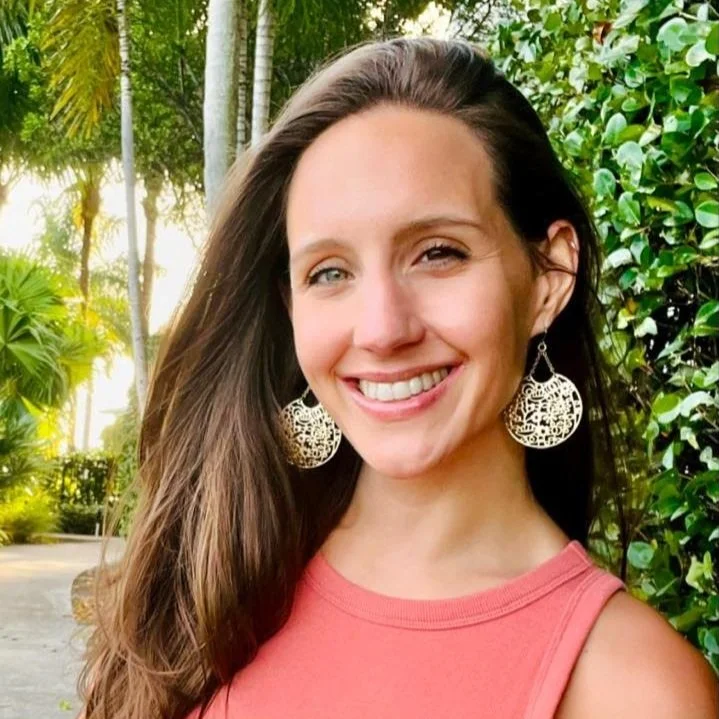
About the Author
Hi!
I’m Dr. Kait Rosiere — a licensed clinical psychologist and Certified Eating Disorder Specialist.
I’ve worked in the field of eating disorders in almost every capacity for over 14 years — recovery coaching, eating disorder treatment teams, college campuses, non-profits, volunteering, treatment centers, as a therapist, post-doctoral fellow, program manager, staff psychologist, etc. I have over
2500 (two thousand five hundred) hours of
specialized training in the treatment of eating disorders.
Learn more about my qualifications and experience.
Aside from being a therapist? I’m unapologetically me.
I was born in Jersey — enough said.
I have a son, a cat, a dog — but kill every plant I touch.
I’m a human being who isn’t afraid to admit that I’ve been where you are — and I’ve walked the eating disorder recovery road myself.
There’s a light at the end of the tunnel — and I’m here to help you find it.
Let’s go find you. Let’s get your glow back.
